
How Massachusetts immigration attorneys came together within hours to fight last week's ICE detentions on the South Coast.
A father steps out of his work van and walks into a Cumberland Farms for a coffee. Minutes later, he is in handcuffs. At home, his five-year-old daughter waits for him.
This is what last week looked like in New Bedford.
Starting Monday, September 21, federal immigration agents moved through the South Coast in what appears to be a coordinated operation. They arrested roofers outside convenience stores, workers near the seafood processing plants that drive the city's economy, and people walking down the street. By Tuesday, attorneys had heard of 31 arrests on the South Coast. Wednesday brought new reports from Fall River.
What's different this time
Massachusetts has been through immigration enforcement surges before. What lawyers and advocates are seeing now is different, and in many ways worse.

Last year, federal officials said they were focused on dangerous criminals. The data told a more complicated story. During the first Massachusetts surge, only about half of the 1,461 people ICE arrested had a conviction or a pending charge, according to the agency's own figures. After public backlash, arrests moved to quieter settings, like immigration appointments, ports of entry, and state courthouses.
Last week, that approach seems to have been abandoned. New Bedford Mayor Jon Mitchell, a former federal prosecutor, said there is no evidence that the people arrested on Monday had records more serious than traffic violations. Lawyers say the people detained did not appear to have been singled out ahead of time. Some of the arrests centered on the seafood industry. Others seemed to have no pattern at all.
Some of the people swept up are exactly the people the system says it wants to protect. Court filings describe men who had applied to a federal program that shields noncitizen workers who report workplace abuses. They are now facing deportation.
The human cost
New Bedford has always been a city of arrivals. People come here to work on the water and in the fish houses, send money home, and build something better for their kids. Many of those detained last week fit that description: a young man who came here at 18 so he would stop being a burden on the aunt and uncle who raised him, and now works at a fish house; a roofer whose family found out where he was only after a day of frantic phone calls.
The fear reaches people who have every legal right to be here too. The Globe spoke with a longtime local business owner, brought to the US as a child and living here legally, who now worries every time he leaves the house that he'll be profiled. He goes anyway, because he can't afford not to work.
Local nonprofit leaders said their phones hadn't stopped. Friends, co-workers, and family members were calling to report that someone they love didn't come home. The word people kept using was chaos.
How the legal community responded
Within an hour of the first reports, Massachusetts' immigration legal community was organized and at work.
Law firms, nonprofits, legal aid organizations, and individual attorneys from across the state set up a shared list of everyone known to be detained. As each name is added, an attorney volunteers for that case, contacts the family and if appropriate, quickly prepares a habeas corpus petition, a filing that asks a federal judge to review whether a person's detention is lawful. Nobody waited long for an assignment, no family was left without a legal consultation, and every hour of this work is pro bono.
As of Wednesday, September 23, coalition attorneys represented at least 34 people arrested in New Bedford alone, and the list kept growing.
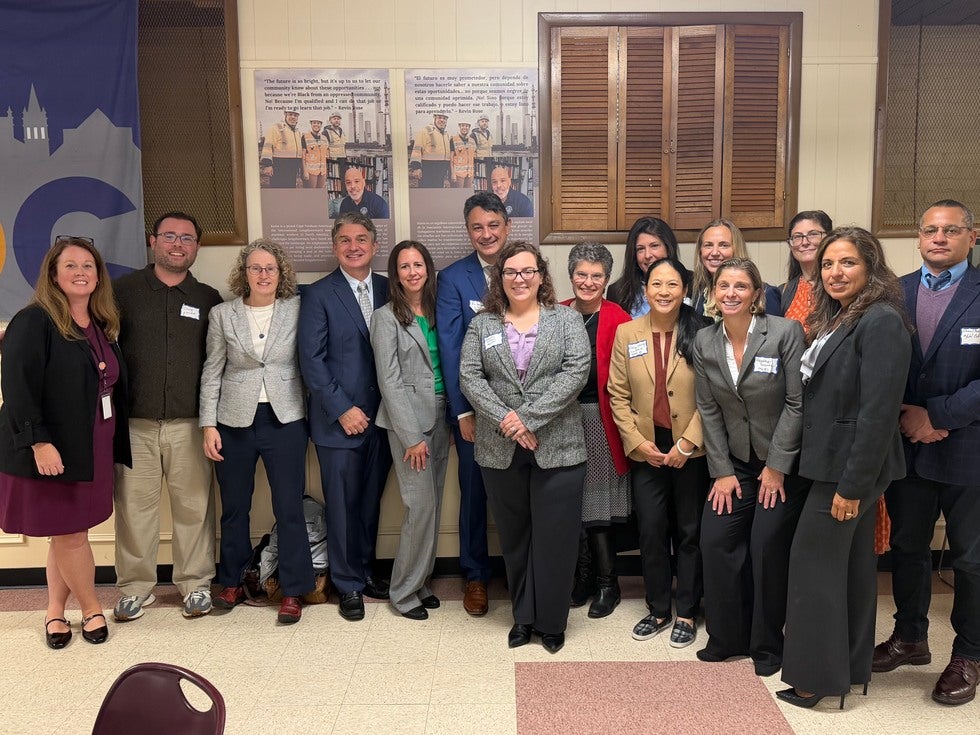
Attorneys from Rubin Pomerleau and Mass Deportation Defense are proud to be part of this effort alongside many colleagues. No single firm or organization could handle a surge like this by itself. What makes the difference is a community of lawyers, advocates, and organizers who trust each other, move fast, and share the load.
"The pace in which they're acting is breakneck," attorney Todd Pomerleau told The Boston Globe. The legal community is working to match that pace.
If someone you love has been detained
Contact an immigration attorney right away. The sooner a case is filed, the more options a family may have. Write down everything you know about the arrest: where it happened, when, and anything the officers said. Do not sign documents on behalf of a detained family member before speaking with a lawyer.
Contact for more information:
Rubin Pomerleau
Media Inquiries: [email protected]
Legal Representation: [email protected]
Mass Deportation Defense: [email protected]
Source: "On South Coast, advocates say ICE is more indiscriminate," The Boston Globe, September 24, 2026.